

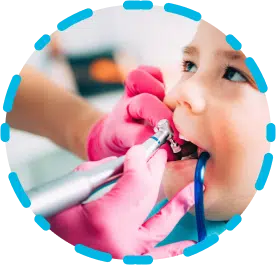


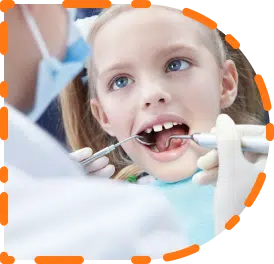
It can be unsettling to discover that your child’s dental filling has come loose or fallen out. The good news is that this is fairly common in children and, in most cases, it’s manageable when addressed promptly. Dental Filling Material can wear down, loosen, or dislodge as kids grow, chew, and play, and it doesn’t automatically mean something went wrong. With calm, timely steps, you can help protect your child’s tooth and keep discomfort to a minimum until a dentist can take a look.
This guide walks parents and caregivers through what to watch for, what to do right away, and how pediatric dentists typically handle a lost filling—so you can feel prepared and reassured.
What Are Tooth Filling Materials and Why Do Kids Need Them?
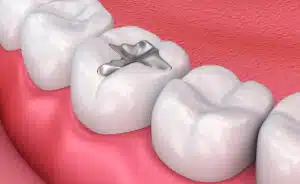
Dental fillings are used to repair teeth affected by cavities or minor damage. In children, fillings play an important role in protecting baby teeth (and developing permanent teeth) from further decay. Even though baby teeth eventually fall out, they hold space for adult teeth and support normal chewing, speech development, and jaw growth.
In pediatric dentistry, dentists choose tooth filling material with children’s needs in mind. Common options include tooth-colored materials that bond well to small teeth and are comfortable for kids to bite and chew on. These materials are designed to be safe, durable, and appropriate for growing mouths—while still being gentle and minimally invasive.
Why Dental Filling Material Can Fall Out
A lost tooth filling doesn’t always mean decay has returned. There are several everyday reasons a kid’s dental filling material might loosen or come out over time:
- Normal wear and tear: Chewing, grinding, and biting hard foods can gradually stress a filling.
- Tooth grinding or clenching: Some children grind their teeth at night, which can weaken the bond.
- Changes in the tooth: As a child grows, the tooth structure can subtly change, affecting how the filling fits.
- Underlying decay: In some cases, decay may continue under or around a filling, causing it to loosen.
- Sticky or hard foods: Chewy candies, gum, or ice can sometimes pull on a filling.
Understanding these causes can help parents avoid unnecessary worry and focus on next steps.
Signs Your Child’s Filling Is Missing or Damaged
Not all kids will immediately say something feels “off,” so it helps to know what to look for. Common signs include:
- Sensitivity to hot, cold, or sweet foods
- Complaints of pain when chewing
- A visible hole or rough edge on the tooth
- Food getting stuck in one area
- Your child mentioning a “sharp” or “weird” feeling
If you notice any of these, it’s reasonable to assume the filling may be compromised.
What to Do Immediately If a Child’s Filling Falls Out (Step-by-Step)
When a filling goes missing, staying calm helps your child stay calm too. Follow these steps:
- Stay calm and take a look.
Gently inspect the area with clean hands and good lighting. You don’t need to probe—just note what you see. - Avoid chewing on that side.
Encourage your child to chew on the opposite side to reduce irritation and prevent further damage. - Keep the area clean.
Have your child rinse with warm water after eating. Gentle brushing is fine, but avoid scrubbing the spot. - Skip sticky or hard foods.
Soft foods are best until the tooth is evaluated. - Contact a pediatric dentist promptly.
Even if your child isn’t in pain, scheduling a visit soon helps prevent complications.
Table – Symptoms vs Recommended Action
| Symptom | Possible Cause | Urgency Level | Recommended Next Step |
| Mild sensitivity | Exposed tooth surface | Low to moderate | Avoid that side; book an appointment |
| Pain when chewing | Filling completely lost | Moderate | Schedule a dental visit promptly |
| Visible hole or gap | Dislodged filling | Moderate | Keep clean; contact dentist |
| Swelling or persistent pain | Possible infection | High | Call the dentist as soon as possible |
| Food trapping | Rough edges or gap | Low | Rinse after meals; see dentist |
Why Prompt Treatment Matters for Children
Delaying care after a filling is lost can allow bacteria to reach the inner parts of the tooth. Over time, this may lead to increased sensitivity, pain, or infection. Addressing the issue early protects the tooth structure and helps avoid more involved treatments.
Using appropriate pediatric filling material for teeth and timely repair supports healthy development and keeps dental visits simpler for kids. When managed quickly, many children experience minimal discomfort and a smooth replacement process.

How Pediatric Dentists Replace Lost Fillings
The replacement process is typically straightforward and child-friendly. After examining the tooth, the dentist will determine whether a new filling is needed or if another approach is more appropriate.
For many kids, the steps for using dental filling material include:
- Gently cleaning the tooth
- Checking for any new decay
- Placing fresh filling material suited to your child’s age and tooth
- Smoothing and adjusting the bite for comfort
Pediatric dental teams are trained to explain each step in reassuring language, helping children feel safe and confident throughout the visit.
Meet the Pediatric Dental Team
At Just Kids Dental, children are cared for by a compassionate team that understands how to make dental visits positive and low-stress. Dentists like Dr. Ga Young Suh, Dr. Negar Tabari, and Dr. Samantha Chiarello focus on gentle communication, patience, and age-appropriate care—so kids feel heard and parents feel informed.
Areas We Serve
Families in Belleville rely on accessible pediatric dental care that fits busy schedules. Having a local pediatric dental team makes it easier to address concerns like a lost filling quickly, before small issues grow into bigger ones.
Frequently Asked Questions
1.Is it an emergency if my child loses a filling?
Not always. If there’s pain, swelling, or bleeding, it’s more urgent. Otherwise, schedule a visit soon.
2.Can a lost filling cause pain?
Yes. Exposure of the tooth can lead to sensitivity or discomfort, especially with hot or cold foods.
3.How soon should my child see a dentist?
Ideally within a few days, sooner if symptoms are noticeable.
4.Can food get stuck where the filling fell out?
Yes. Rinsing after meals helps until the tooth is repaired.
5.Will my child need a new filling or something else?
Often a new filling is enough, but the dentist will decide after examining the tooth.
6.How can we prevent fillings from falling out again?
Good oral hygiene, regular checkups, and limiting very sticky or hard foods can help.
7.Should my child stop brushing that tooth?
No—gentle brushing is important. Just avoid aggressive scrubbing.
Get Your Child’s Tooth Checked Promptly
If your child has lost a filling, the next step is simple: have the tooth evaluated before sensitivity or decay has a chance to develop. Even when there’s no pain yet, an exam helps determine whether the tooth just needs a replacement dental filling material or additional protection. Acting early can keep your child comfortable and prevent a small issue from turning into a bigger one.
Contact Just Kids Dental to schedule a pediatric dental visit in Belleville. Call the office or request an appointment online so a pediatric dentist can assess the tooth and guide you on the best next steps for your child’s care.